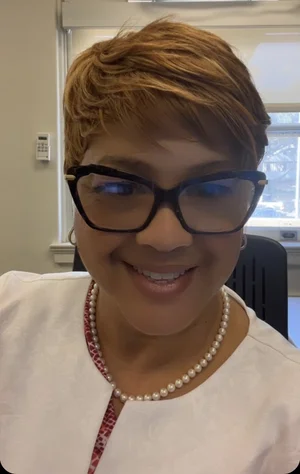
Willingness Wednesday with Coach B. Von, back by popular demand!!
Join me live tonight, Wednesday, November 11, at 7:00 PM ET on Zoom. It's free, and veterans and families are welcome. Click here to join the Zoom (Meeting ID 851 4829 6236).
If you're struggling right now, you don't have to wait. Call the Veterans Crisis Line: dial 988, then press 1, text 838255, or chat at VeteransCrisisLine.net/Chat. It's free, confidential and open 24/7.
This is Veterans Day week. For the next six weeks, you'll hear "Thank you for your service" at the store, at church and at the dinner table.
For a lot of us, those words land in a complicated place. We're grateful. And somewhere underneath, something hurts that we don't have a name for.
I joined the Navy at 17. I took an oath, I served, and I came out feeling broken. It took me years to understand that part of what I carried wasn't fear. It was something deeper, a wound to my spirit. Today I want to give that wound a name, because naming it is where healing begins.
What moral injury is
Moral injury is the pain that comes when you do, fail to stop, witness or learn about something that goes against what you believe is right. It can also come from betrayal, when leaders or an institution you trusted let you or others down.
It isn't a weakness, and it isn't a diagnosis. VA researchers describe PTSD as a disorder that's diagnosed, while moral injury is something people carry in degrees, from mild to severe. The two can show up together. But PTSD is often rooted in fear. Moral injury is often rooted in guilt, shame, anger and grief.
In simple words: PTSD says, "I'm not safe." Moral injury says, "I'm not good."
Signs you may be carrying it
Guilt or shame that doesn't ease, no matter how much time passes
A quiet belief that you're unforgivable, or not a good person anymore
Anger at leadership, the system, or God
Pulling away from family, friends, or your faith community
Feeling like a fraud when someone thanks you or calls you a hero
Numbing out with alcohol, work, screens or staying busy
If you read that list and felt something tighten in your chest, please hear me: you are not alone, and you are not beyond repair.
Why the holidays can hit harder
The season is built on family, faith and celebration. For a veteran with moral injury, each of those can press on the bruise.
The questions. A relative asks, "Did you ever have to kill anyone?" or "What was it really like?" between the turkey and the pie.
The praise. Being honored when part of you feels you don't deserve it.
The empty chairs. The buddies who aren't here, and the families who are missing them too.
The faith gatherings. Services and carols when you feel far from God, or angry at Him.
The noise. New Year's fireworks, crowded stores and loud rooms.
Less structure, more drinking. Routines fall away just when you need them most.
Your holiday plan: seven small steps
Decide your answer ahead of time. Try: "That's a story I'm not ready to tell at dinner, but I'm glad you care about me." You don't owe anyone your war.
Have an exit plan. Drive yourself. Know where the door is. Give yourself permission to step outside or leave at a set time.
Pick one safe person. Tell them how you're doing and agree on a signal for "I need a break."
Honor the empty chair on purpose. Light a candle, say a name out loud, or write a letter to a friend you lost. Grief that has a place to go hurts less than grief you hide.
Keep one spiritual practice every day. Five minutes of prayer, meditation or quiet breathing before you walk into a crowded room.
Watch the drinking. It numbs the pain tonight and doubles it tomorrow.
Reach out before it's a crisis. Call a fellow veteran, a chaplain, a Vet Center, or me. You don't have to be at the edge to deserve help.
Healing is possible
In The Energy Harvest, the first phase is Identify. You can't heal what you won't name. Moral injury begins to heal through honest telling, real connection, forgiveness of yourself and others, and finding meaning in what you carry.
I'm a life coach, not a therapist. Coaching works best alongside other care, not in place of it. VA chaplains, Vet Centers and VA mental-health teams work with moral injury every day, and you've earned that care.
You are not your injury. You are the one who is healing.
Your Willingness Wednesday reflection
What is one thing you've been carrying alone that you're willing to name this week, even just to yourself?
Write it down. Then, if you're ready, share one word of it in our Facebook community. Someone there needs to know they're not the only one.
Support is here, this week and every week
Veterans Crisis Line: dial 988, then press 1 · text 838255 · chat at VeteransCrisisLine.net/Chat. It's free, confidential and 24/7, and you don't need to be enrolled in VA benefits or health care. Families and friends can call too.
Vet Center Call Center: 1-877-WAR-VETS (1-877-927-8387), 24/7. Talk with fellow veterans and get connected to your local Vet Center.
In immediate danger: call 911.
Work with me: book a free consultation, or join the weekly live stream and our Facebook community.
With you on the journey,
Coach B. Von